
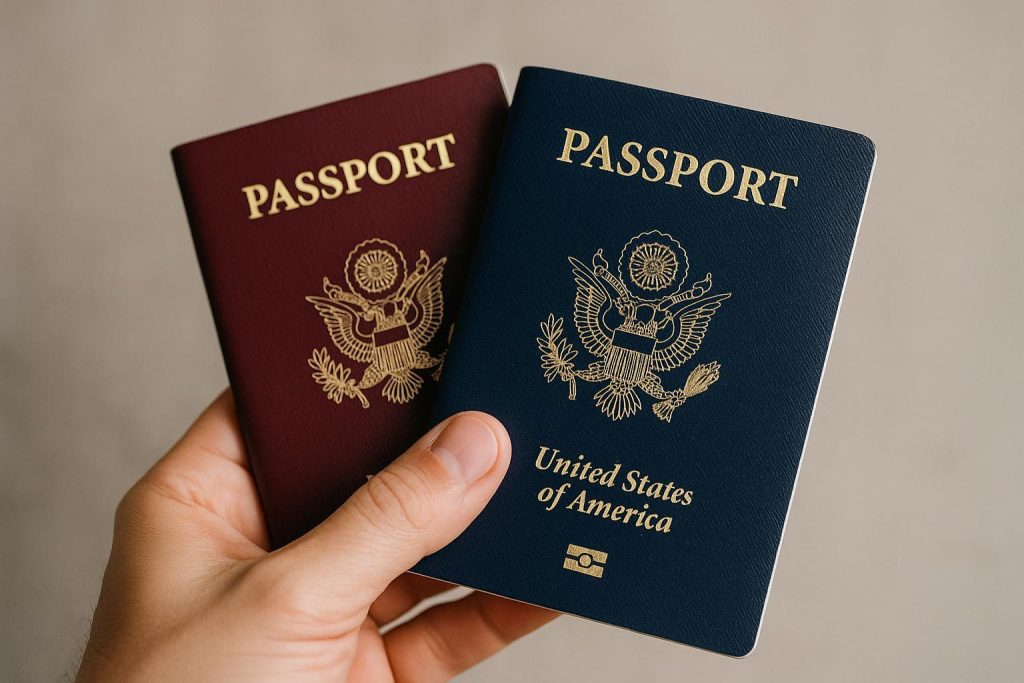
Navigating the Complexities of Dual Citizenship Tax
Holding dual citizenship can offer many advantages, including greater flexibility in travel and living arrangements. Yet, being a citizen of two countries also brings specific obligations—especially when it comes to taxes. Many dual citizens must manage multiple tax filing requirements, deal with complex cross-border tax rules, and ensure they remain compliant with each country’s regulations. On top of that, they need to stay organized, report worldwide income correctly, and avoid issues like double taxation. This guide explores the core tax considerations faced by dual citizens, with a focus on U.S. and Canadian obligations. You will also find helpful tips on how to reduce stress, simplify your filings, and seek out specialized assistance when necessary.
What Does Dual Citizenship Mean for Your Taxes?
Dual citizenship means you are legally recognized as a citizen by two countries. Each country may impose its own rules on factors such as residency, voting, and taxation. In terms of tax obligations, holding dual citizenship can make things more complicated because:
- Multiple Filing Obligations: You may need to file tax returns in both countries.
- Overlapping Regulations: Different rules and definitions around residency, income, and deductions could affect what you owe.
- Double Taxation Risks: While most modern tax treaties aim to reduce or eliminate paying tax twice on the same income, adhering to the specific procedures can be complex.
- Additional Paperwork: Dual citizens often deal with extra forms to report foreign services, bank accounts, or certain investments, which takes extra effort to stay compliant.
When you have dual citizenship in the United States and Canada, these considerations become especially important, as the U.S. relies on citizenship-based taxation, and Canada typically bases its taxation system on residency. Managing these two systems means being well-organized, informed, and ready to do the necessary filings every year.
Citizenship-Based Taxation in the U.S.
The United States is unique in taxing based on citizenship rather than place of residence. This means that if you are a U.S. citizen, you must file an annual federal tax return regardless of which country you call home. Whether you live full-time in Canada or split your time between the two countries, you remain subject to U.S. tax rules, including:
- Worldwide Income Reporting: You must report all income earned worldwide, including wages, self-employment income, dividends, and rental income.
- Foreign Account Reporting Requirements: Certain forms, such as the Report of Foreign Bank and Financial Accounts (FBAR), may be required if you hold financial accounts outside the United States. For example, if you have bank accounts in Canada, you might need to disclose them to U.S. authorities once you exceed specific thresholds.
- Special Forms for Foreign Investments: If you hold shares in a Canadian mutual fund or other foreign investment, you may have additional filing and reporting requirements. Failing to submit these documents on time can lead to significant penalties.
- Filing Deadlines: U.S. expat tax filers receive an automatic extension until June 15, but interest on any tax owed will begin accruing after the standard April deadline. Being prepared early in the year can save you from last-minute stress.
If you happen to owe U.S. income tax, you can sometimes claim tax credits for taxes you have already paid in Canada, reducing the risk of paying tax on the same income twice. These credits and deductions become vital for any cross-border taxpayer aiming to keep tax liability manageable and fair.
Residency-Based Taxation in Canada
Canada determines your tax obligations based on residency. If you reside in Canada—whether as a citizen or a permanent resident—then you usually need to file a Canadian tax return and report worldwide income. This system could create an overlap for American citizens living in Canada, as you may have obligations to both countries at once. To fulfill your Canadian tax compliance requirements, keep in mind:
- Worldwide Income Disclosure: Like the U.S., Canada expects its residents to declare income from all sources. If you have a U.S. business, investment, or wages, these must be detailed on your Canadian return.
- Tax Credits and Deductions: Canada offers various credits and deductions for residents; understanding which ones you can claim helps reduce your taxable income. However, the rules differ from U.S. standards, which may require thoughtful cross-border planning.
- Foreign Asset Reporting: If you own foreign property or investments valued above certain thresholds, you might need to disclose this to the Canada Revenue Agency (CRA). Requirements can vary based on the type and value of the assets.
- Different Tax Deadlines: For most individuals, the Canadian tax return deadline is April 30. Self-employed individuals have until June 15 to file, though any balance owed is due by April 30. Coordinate these timelines with your U.S. filings to stay on track.
Staying on top of both sets of obligations can feel overwhelming, especially if you run a small business or have large investment portfolios. Many dual citizens benefit from integrated tax services to ensure that their filings are complete, accurate, and well-coordinated.
Addressing Double Taxation
A major worry for dual citizens is the possibility of double taxation—paying taxes on the same income in both countries. Fortunately, the U.S.-Canada Tax Treaty helps prevent this scenario by allowing:
- Foreign Tax Credits: If you pay taxes on specific income in one country, you may be able to claim a credit in the other country, preventing you from paying twice.
- Exemptions or Deductions: Certain income types, like pensions or retirement distributions, can qualify for special treatment under the treaty, reducing the complexity of reporting.
- Tiebreaker Rules: These provisions help determine your official residency for tax purposes if you qualify as a resident in both countries.
However, taking advantage of these benefits can be complex. You will need detailed recordkeeping to track all payments, plus an understanding of the legal criteria for each credit. Accurate filing is the key. Working with an experienced tax professional who understands both U.S. and Canadian regulations can make a big difference, especially when looking for practical solutions to cross-border tax questions.
Potential Penalties and Common Pitfalls
Whether you file late or omit critical details on tax forms, you can face penalties in both the United States and Canada. These can include fines for not reporting foreign bank accounts, late-filing penalties, or even interest charges on taxes owed. Some of the most common pitfalls include:
- Missed Filing Deadlines: Different submission timelines mean you must stay alert to avoid missing important dates.
- Unreported Foreign Assets: The FBAR (in the U.S.) or the T1135 form (in Canada) is easily overlooked, but ignoring these obligations can lead to substantial fines.
- Incorrect Use of Tax Treaty Provisions: Not completing the required forms or failing to claim credits the correct way may result in overpaying taxes or incurring penalties down the line.
- Inconsistent Recordkeeping: Mixing up which income goes on which return can create confusion, leading to inaccuracies that invite audits.
Preventing errors begins with gaining a solid grasp of cross-border tax protocols. This often includes setting up bookkeeping support, keeping a calendar of deadlines (especially if you are self-employed), and seeking clarification from an experienced tax professional whenever something seems unclear. Handling these tasks confidently reduces stress and ensures peace of mind throughout the year.
The Value of Professional Guidance
Dual citizens often need personalized guidance to stay on top of complex tax rules. Whether it is a question about how to classify foreign income, which forms to complete, or how to benefit from foreign tax credits, professional input can offer more clarity. An experienced tax professional who handles both U.S. tax and Canadian tax services can:
- Coordinate Both Sets of Filings: By understanding each country’s regulations, they can create a cohesive filing strategy that helps you stay compliant.
- Identify Treaty Benefits: Familiarity with the U.S.-Canada Tax Treaty helps ensure you claim the right credits and apply any exemptions.
- Provide Clear, Timely Advice: Accurate information keeps you alert to deadlines and helps you make informed decisions year-round.
- Offer Integrated Tax Services and Bookkeeping Support: With both tax and bookkeeping in one practice, you gain a streamlined approach that reduces administrative burdens.
By engaging a professional early, you can save time and reduce the likelihood of making costly mistakes. This professional assistance also cuts down on guesswork, making the entire process feel more manageable.
Minimizing Stress and Staying Organized
Keeping your cross-border filings on track does not have to be stressful. Consider the following tips to make tax season run more smoothly:
- Create a System for Recordkeeping: Storing all tax documents, receipts, and financial statements in one secure place—whether in digital or physical form—makes filings easier. Using bookkeeping support or specialized software can add significant convenience.
- Mark Important Deadlines: Since U.S. and Canadian deadlines differ, a calendar reminder ensures you do not miss any. Plan ahead so you can gather documents and calculate taxes without tension.
- Keep an Eye on Changes in Tax Laws: Regulations involving foreign accounts, self-employment, or even currency conversion can shift over time. Staying informed prevents surprises.
- Speak with a US Tax Specialist: If you are uncertain about any filing issues, a specialist can provide personalized guidance, helping you stay compliant and confident.
Following these strategies helps maintain accurate filing and reduces the time you spend worrying about repercussions. If you operate a business with cross-border activities, consistent organization can also spotlight potential deductions or tax treaty benefits to reduce your overall liability.
Bookkeeping Support for Dual Citizens
Many dual citizens run small businesses or track multiple revenue streams in both Canada and the United States. Integrated tax services that include bookkeeping support can simplify these needs. A well-managed set of books helps you avoid missing credits, ensures compliance, and can even speed up your tax preparation process. Having organized records readily available also allows your tax professional to identify legitimate write-offs and credits accurately, whether for U.S. business tax or Canadian returns. Precise, up-to-date books make it much easier to manage cross-border finances and keep your personal and business obligations in check.
Exploring Practical Solutions
Because each individual situation is different, most dual citizens benefit from practical solutions tailored to them. For some, it might mean adjusting which country they claim as their primary tax residence, while for others, it could involve prioritizing foreign tax credits. Also, you may want to consider:
- Retirement Account Coordination: Contributions to U.S. retirement funds while living in Canada (or vice versa) can create unique challenges. A professional can help coordinate these to avoid double taxation down the road.
- Self-Employment and Small Businesses: Cross-border freelancers or entrepreneurs have additional paperwork to handle. Working with an experienced tax professional minimizes confusion around deductions, payroll, and sales tax requirements.
- Renouncing Citizenship: While rare, some dual citizens renounce their U.S. citizenship to reduce tax complexity. This is not a decision to make lightly, as it can have far-reaching consequences. Always consult with an experienced tax professional before considering such a step.
With the right guidance and a clear strategy, dual citizens can achieve a stress-free process. By leveraging the U.S.-Canada Tax Treaty, staying up to date with forms, and organizing financial data, you can optimize your filings and remain in good standing with both the Internal Revenue Service (IRS) and the Canada Revenue Agency (CRA).
When to Seek Help
There is no universal timeline for reaching out to a professional, but earlier is almost always better. If you feel overwhelmed, if you have missed previous filings, or if you simply want to ensure you are receiving all possible tax benefits under the treaty, consider:
- Booking a Cross-Border Tax Consultation: A dedicated session answers your immediate questions and lays out a strategy.
- Scheduling a Tax Planning Discussion: For those who anticipate starting a new job or relocating between the U.S. and Canada, a planning session can clarify your potential tax obligations well in advance.
- Getting Help with US and Canadian Taxes: Specialist firms handle both federal and provincial/state returns. Being proactive can also protect you from last-minute rush fees and filing errors.
If you are already aware of your dual obligations but do not have time to manage everything yourself, outsourcing can become a practical solution. By bringing in an experienced tax professional, you can focus on your career or business while staying confident about your compliance status.
Where to Find More Information
For more details on cross-border or expat tax and how to simplify compliance, you can explore integrated tax services offered by specialized firms. If you would like to learn more about how knowledgeable professionals can guide you through the entire process, visit our Services page. You can also visit our Contact page to request bookkeeping support or speak with an experienced tax professional. These resources outline the kind of support that dual citizens often need, including practical solutions for tax compliance and accurate filing. Regardless of the complexity of your situation, supportive, clear, and timely advice helps you remain on track.
Remember, dual citizenship means embracing the privilege of belonging to two nations, but it comes with a fair share of responsibility. By recognizing your obligations, staying current with the tax laws, and seeking assistance when needed, you can avoid costly mistakes and maintain a productive, worry-free life as a dual citizen. Whether you need personalized guidance, integrated tax services, or a more stress-free process for your annual filings, help is available to keep you compliant and on top of your financial priorities. Staying proactive and aware is the best way to make the most of dual citizenship while reducing any tax-related concerns.