
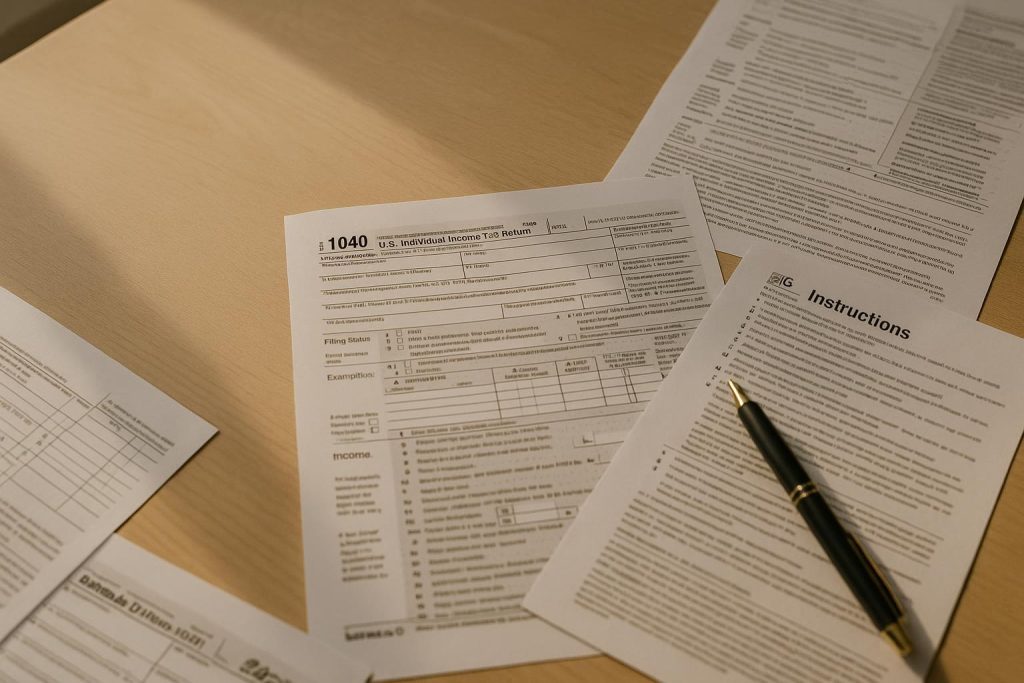
Managing Common Tax Pitfalls for a Stress-Free Filing
Taxes can be a source of anxiety for both individuals and small business owners alike. Whether you are preparing Canadian tax returns, filing US tax as an American living abroad, or managing cross-border tax obligations, overlooking critical details can lead to costly outcomes. Being aware of common mistakes—and knowing how to avoid them—sets you on the path to more streamlined and accurate filing. Below, you will find a comprehensive overview of some of the biggest tax mistakes people make and strategies for preventing them. From missing deadlines to mixing business expenses with personal purchases, this guide takes a close look at how to remain compliant, organized, and confident throughout the year.
1. Failing to Keep Accurate Records
One of the most prevalent errors among taxpayers is neglecting proper record-keeping. This mistake can occur when individuals stash receipts in random drawers or rely on memory weeks or months after an expense has been made. Without accurate records, calculating deductions and reporting expenses become guesswork. You could potentially miss out on valuable tax benefits or, worse, report incorrect information that triggers an audit.
Good record-keeping practices include:
- Separate accounts: If you are self-employed or run a small business, use dedicated business accounts for all business expenses. Mixing personal and professional spending complicates bookkeeping and makes it difficult to accurately report your deductions during tax preparation.
- Organized receipt management: Keep both digital and physical copies of receipts. Many individuals find it helpful to use online cloud-based platforms that allow them to scan and store receipts in real-time. This way, you always have a secure backup as proof of the expense incurred.
- Regular reviews: At least once a month, review your bank statements, credit card statements, and receipts. By comparing these records, you ensure all transactions are accounted for correctly before the end of the year. This not only simplifies filing but also helps you manage your cash flow and spot inconsistencies early.
Many people begin their filing journey only to discover incomplete or missing documents. When it comes to US tax or Canadian tax services, not having documentation on hand may mean you miss relevant credits, including foreign tax credits when you have cross-border obligations. Inaccurate records also increase the risk of inaccuracies on your return, which can lead to unnecessary scrutiny from tax authorities. Avoiding this mistake by taking advantage of practical solutions—like integrated tax services and bookkeeping support—makes filing much smoother for individuals and businesses alike.
2. Overlooking Key Deadlines
Tax filing deadlines can vary according to your country of residence, income level, and whether you are filing as an individual or a business. Canadians generally need to submit personal income tax returns by April 30, while self-employed individuals in Canada can file by June 15, although any balance owed is still due by April 30. For those who must file US tax, the regular deadline typically falls on or around April 15, but expat tax requirements may allow an automatic extension until June 15 if you reside outside of the United States.
Overseeing these deadlines is simpler said than done—especially if you have a busy schedule or complex cross-border tax obligations. Yet missing the filing window can lead to late fees, penalties, and added interest, which quickly add up. Aside from financial repercussions, filing late in a rush often results in mistakes. Rushed preparation increases the chance of typos or incorrect data, potentially requiring amendments later and complicating your tax compliance status.
Set up reminders or notifications well in advance of key deadlines. For instance, you might use a calendar app to schedule monthly or quarterly check-ins devoted to tax planning. You can also engage in year-round bookkeeping support, ensuring that when deadlines come around, your records are already in good shape. Taking these preventive steps helps you stay compliant and reduces stress. If you need more immediate assistance, you could consider seeking personalized guidance from an experienced tax professional. They can keep you informed, especially if you must juggle obligations in both Canada and the US.
3. Lack of Professional Guidance
Tax forms can be dense, with some lines seeming ambiguous to the untrained eye. Complex filing requirements multiply if you live outside your home country. For example, American citizens residing in Canada must still file annual US tax returns. Those with permanent ties to both countries could face overlapping obligations, including potential self-employment taxes in the US, provincial taxes in Canada, or foreign bank account reporting requirements.
Attempting to navigate these complexities without qualified support or professional tax advice greatly increases your chances of making mistakes. These may include reporting incorrect information, overlooking potential credits, or failing to complete essential forms like the Foreign Bank Account Report (FBAR). Such errors can result in double taxation or hefty penalties, often wiping out any cost-savings you hoped to achieve by filing on your own. Reaching out to a specialized tax advisor—especially one with cross-border tax experience—remains one of the smartest investments you can make for peace of mind.
Professional help does not need to be exclusive or expensive. Boutique firms, for example, can be both affordable and specialized, offering one-on-one support and faster turnaround times than larger organizations. Firms like Optimus Tax Inc also integrate bookkeeping with tax services to simplify the year-round management of financial records, so you do not have to jump between multiple providers. If you would like to explore the range of available cross-border tax and Canadian tax services, you can visit our Services page for more information.
4. Misclassifying Income or Expenses
Many taxpayers, especially small business owners and sole proprietors, misclassify their income or expenses. This can happen when you fail to distinguish between personal and business costs, or when you do not understand which tax deductions you can claim. Misclassification is serious, as it can result in underpayment of taxes, leading to audits and penalties.
There are also intricacies with cross-border tax rules. For instance, the way foreign-earned income is classified can differ under Canadian tax services rules versus US tax rules. You might qualify for exemptions, such as the Foreign Earned Income Exclusion in the US, if you meet certain residency or physical presence tests. Meanwhile, Canada may also expect you to declare income earned worldwide, so failing to coordinate how that income is classified on both returns could create inconsistencies.
Prevent this by:
- Tracking different streams of income: Whether it is salary, freelance work, rental income, or a side business, each income stream may be taxed differently. Maintaining separate records or categories makes it easier to see where earnings are coming from and how they should be reported.
- Reviewing eligible deductions carefully: Business lunches, home office expenses, or travel costs may all be deductible in certain situations. However, you need to keep documentation to prove these expenses truly relate to your work, and you must know the rules for valid deductions in each country. If in doubt, talk to an experienced tax professional for clear, timely advice.
- Understanding local and international regulations: Cross-border tax issues can complicate expense classification. If you operate a US-based business while living in Canada, for example, you might owe US business tax in addition to meeting Canadian tax requirements for any local operations. Having integrated tax services ensures you see the complete picture, preventing duplication and ensuring accurate filing on both sides.
Proper classification not only helps you stay compliant, but also allows you to optimize tax outcomes. By ensuring your deductible expenses are accurate, you avoid overpaying. Plus, you reduce the likelihood of re-assessments or audits by tax authorities, a scenario that can absorb time and resources.
5. Neglecting to Anticipate Future Liabilities
Tax is not simply a once-a-year event—and approaching it as such can lead to frustration when the bill arrives. Future tax liabilities accumulate throughout the year as you earn income, generate capital gains, or otherwise engage in taxable activities. If you do not set aside funds or review your taxable events regularly, the result might be a surprisingly large sum due at filing time.
Additionally, unexpected life changes can alter your tax obligations. Marriage, divorce, the birth of a child, or even a move across the border can shift your tax bracket or eligibility for certain credits. The same applies if you start doing business in different provinces or states. Adjusting your planning as you go lessens the strain when returns are due.
Some strategies to help you plan ahead include:
- Quarterly check-ins: Individuals with self-employment income or businesses with fluctuating revenue should consider quarterly or monthly check-ins to assess expected liability. This allows you to save incrementally, so you are not caught off guard at year’s end.
- Tax planning discussions: Scheduling a tax planning discussion with a professional can reveal opportunities to minimize taxes legally. This might involve contributing to retirement plans, restructuring your business, or claiming certain credits in a more strategic way. Expats or dual citizens may have specific advantages available through tax treaties between countries.
- Regularly updated bookkeeping: Without updated records, you cannot accurately predict how much you might owe. Bookkeeping support ensures that each transaction is tracked, categorized, and can be applied to the right reporting line at year-end. This approach not only helps you remain accurate but also saves time when you are ready to file.
Being proactive about tax liabilities helps you avoid last-minute chaos and stressful deadlines. It is a core aspect of personalized guidance, ensuring that each unique situation—whether you have cross-border tax obligations or purely domestic earnings—receives the attention it needs.
Additional Considerations: Staying Compliant Under Multiple Jurisdictions
For many individuals who work, study, or live abroad, cross-border tax can be especially complex. US citizens, for example, must file an annual US tax return no matter where they live. Canadians who have ties to both countries might be required to file in each jurisdiction, meet separate deadlines, and even verify foreign account holdings to maintain tax compliance. Looking into specialized expat tax or US business tax resources can help you approach these overlapping obligations methodically.
Keep in mind that non-compliance in one country can affect your standing in the other. If the Canada Revenue Agency (CRA) or the Internal Revenue Service (IRS) flags discrepancies, it can lead to thorough examinations of your finances, possibly requiring adjustments or late penalties. That is why integrated tax services, guided by an experienced tax professional, offer peace of mind. They help you address country-specific requirements without duplication, confusion, or the risk of significant fines.
When to Seek Support
Not every taxpayer needs in-depth year-round assistance. However, you should strongly consider reaching out to a professional if you:
- Operate a small business, especially if that business deals with international clients or US operations.
- Are a US citizen living in Canada—or vice versa—with ongoing filing obligations in both countries.
- Struggle with consistent bookkeeping and need guidance on what information to track.
- Have multiple sources of income that require careful classification.
- Prefer a more stress-free process for dealing with tax compliance.
Tax legislation and bilateral agreements change over time, so an experienced tax professional who remains up to date can help you avoid dangers lurking in new regulations. Sometimes, even a single consultation can clarify your next steps and reveal potential opportunities for tax savings. This approach is especially useful before major life changes, such as relocating to another country, opening a new business, or investing in foreign assets. If you would like to learn more about how professionals can streamline your filing, check out our Services or visit our Contact page.
Move Forward with Confidence
Avoiding these common tax mistakes can drastically reduce unnecessary penalties, confusion, and stress. By keeping well-organized records and focusing on accurate filing, you set the stage for a more reliable outcome year after year. Staying on top of deadlines keeps you from scrambling at the last minute, while partnering with a knowledgeable tax advisor ensures you receive practical solutions tailored to your situation. Moreover, anticipating upcoming liabilities and adjusting your strategies over time fosters both financial clarity and compliance.
Whether you need guidance on cross-border tax, help with integrated tax services, or simply want to ensure you stay compliant, the key is to take action before small errors grow into larger problems. Slowing down, reviewing your records, and—when appropriate—seeking professional insight paves the way for a stress-free process. If you’re ready to address your tax concerns or just want more information about how to confidently navigate US and Canadian tax systems, consider scheduling a tax planning discussion with an experienced tax professional. Through preparation, organization, and ongoing education, you can handle taxes with ease and concentrate on what truly matters: growing your business, caring for your family, and meeting your personal goals.