
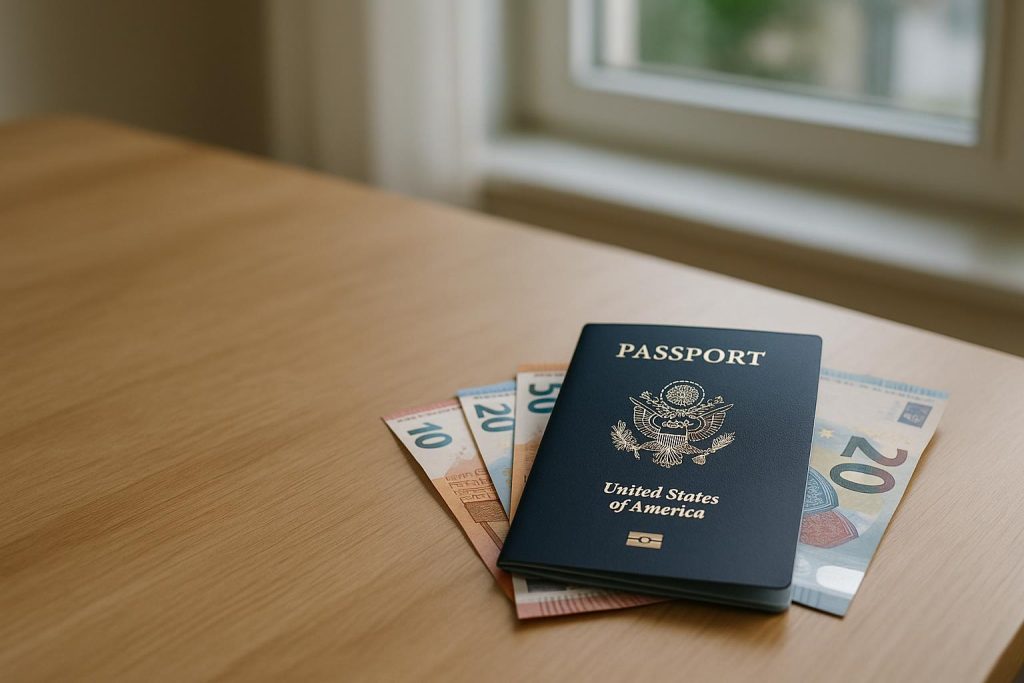
Managing US Tax Obligations Abroad: How to Avoid Double Taxation
Many US citizens who choose to live overseas or travel for extended periods worry about paying taxes twice—once to the United States and again to their host country. This concern is understandable, as the United States is one of the few countries that imposes taxes based on citizenship rather than purely on residency. Being subject to taxation in two places can be intimidating, but there are crucial mechanisms in place to help minimize or eliminate this issue. With proper planning, recordkeeping, and an understanding of the key provisions designed to prevent double taxation, many American expats find that their actual tax liability is far more manageable than they initially feared.
In this guide, we will take an in-depth look at why US citizens must still file tax returns from abroad and what steps you can take to prevent paying taxes twice. We will explore concepts such as the Foreign Tax Credit (FTC), the Foreign Earned Income Exclusion (FEIE), and tax treaties. We will also offer insights into practical strategies, recordkeeping, and the potential benefits of seeking professional help. By the end, you should have a clearer sense of how to stay compliant without overpaying on your US tax obligations.
Why Are US Citizens Required to Pay Taxes While Living Abroad?
The primary driver of expat tax obligations stems from the US system of citizenship-based taxation. Under US law, if you are a citizen or Green Card holder, you typically must file taxes on worldwide income, regardless of where you live. This principle stands in contrast to most other countries, which operate on a residency-based taxation model. Because of these regulations, residing outside the US does not exempt you from filing a US tax return or reporting your global income.
That said, filing is not always the same as paying. While you might still file a US return, you could end up owing little or even no additional tax if you take advantage of various credits, exclusions, or deductions. Understanding these options is vital for US citizens hoping to reduce or avoid double taxation.
Core Strategies to Prevent Double Taxation
Thankfully, the IRS has put forth multiple mechanisms that ease the financial burden of paying taxes in both home and host countries. Some of the most important tools include:
- Foreign Earned Income Exclusion (FEIE): This provision allows qualified US citizens abroad to exclude a specific amount of foreign-earned income from their US taxable income.
- Foreign Tax Credit (FTC): You can claim a credit on your US return for certain taxes paid to a foreign country, effectively offsetting part or all of your US tax liability.
- Tax Treaties: The United States has agreements with various countries that prevent or mitigate double taxation, typically through clarifications on where a specific form of income is taxed.
- Other Deductions and Exclusions: There are additional deductions, such as the housing exclusion for those living abroad, that can reduce your US tax burden.
Each of these strategies can be powerful on its own, and many expats use a combination of them to manage cross-border tax complexities. When applying them correctly, US citizens often owe far less—and sometimes no—US tax on their foreign income.
Exploring the Foreign Earned Income Exclusion (FEIE)
The FEIE is one of the most commonly used tools for American expats. It allows qualifying individuals to exclude up to a certain amount of foreign-earned income from US taxation (this limit can change annually). For instance, if your total foreign-earned income is below the exclusion threshold, you might end up with no US tax owed on that portion of your income.
To qualify for the FEIE, you must meet specific criteria. Typically, you need to:
- Establish that your tax home is in a foreign country.
- Pass either the bona fide residence test or the physical presence test.
The bona fide residence test requires you to reside in a foreign country for an uninterrupted period that includes a full tax year, showing genuine residency intentions. The physical presence test mandates that you be present in a foreign country (or countries) for at least 330 full days in a 12-month period. Meeting these tests can be simpler for some expats than others, depending on their travel patterns and life circumstances.
While the FEIE can help reduce your taxable income, it is crucial to understand the details. For example, you cannot claim exclusions on income such as capital gains or pension payments if they do not qualify as earned income. Additionally, certain high-income earners might find that the foreign tax credit offers better overall savings on their global tax liability. Evaluating your circumstances each year can help you decide which strategy is best.
Using the Foreign Tax Credit (FTC)
The Foreign Tax Credit is another powerful tool that can eliminate or reduce double taxation. Using the FTC, you can claim credits for some or all of the foreign income taxes you have paid to another country. The credit applies only to income taxes (or taxes paid in lieu of income taxes) and can offset your US tax liability dollar-for-dollar, subject to specific limits.
In many scenarios, if you live in a country with comparable or higher tax rates than the US, the FTC will likely cover much of your US tax obligation on the same income. You apply the credit by filing Form 1116 with your US tax return. However, complexities can arise if you have multiple streams of income from different countries or if certain categories of taxes in your host country do not meet IRS criteria. It is imperative to keep precise records of how much tax you pay, to which authority, and for what purpose, in order to claim the appropriate credit. If done correctly, many expats will discover that they do not owe any additional tax to the US beyond what they have already paid abroad.
Tax Treaties and Why They Matter
An additional layer of relief comes in the form of tax treaties between the United States and other nations. These agreements are intended to allocate certain types of income to the country considered the primary taxing authority. For instance, a treaty may cover items such as pensions, social security, dividends, or investment income. Treaties often define where a citizen or resident pays taxes on a given income type, preventing you from paying that same tax to both governments.
However, the scope and benefits of tax treaties vary widely from one country to another. Some treaties are comprehensive, while others do not address every income category. Furthermore, navigating treaty language can be tricky, leading some taxpayers to overlook or misapply treaty benefits. To make sure you receive the correct relief, you may want to check your host country’s treaty with the US or speak with an experienced tax professional who can pinpoint treaty benefits that apply to your case.
Do You Really Pay Taxes Twice?
In practice, many Americans living abroad do not end up paying taxes to both nations on the same income. Between the FEIE, the FTC, and potential treaty protections, most expats find they owe little to no US tax. However, this does not remove the filing requirement. Even if you owe no tax, you might still need to file and demonstrate your eligibility for exclusions and credits.
It is also important to note that some types of income—like self-employment earnings—may warrant special attention. Self-employed individuals might face additional US tax considerations, such as self-employment tax (covering Social Security and Medicare contributions). In some instances, these obligations can be mitigated if you are also paying into a foreign social security system that has a totalization agreement with the US, which helps avoid paying social security taxes twice. It is worth reviewing these finer points to ensure you remain compliant and avoid paying more than you need.
Potential Pitfalls to Avoid
- Overlooking Filing Deadlines: US taxpayers residing abroad generally receive an automatic two-month extension to file, but interest on any amount owed may still accrue from the regular due date. If deadlines are repeatedly missed or if you owe significant taxes, you could face penalties and interest.
- Failing to Report Foreign Bank Accounts: If you hold foreign bank or financial accounts above certain thresholds, you might need to file a Report of Foreign Bank and Financial Accounts (FBAR) and/or Form 8938. Ignoring these requirements can lead to serious penalties.
- Neglecting State Tax Obligations: Even though you are outside the country, some states have stricter rules about maintaining tax residency. Make sure you understand how your home state treats residents working abroad, or you could face unexpected tax bills.
- Misapplying the FEIE or FTC: Some taxpayers accidentally exclude foreign income with the FEIE and then try to claim a credit on the same amount, assuming further benefits. The IRS does not permit double-dipping, and errors here may lead to additional scrutiny.
Practical Tips for Staying Organized
Staying on top of your recordkeeping is essential for thorough tax compliance and peace of mind. Here are some suggestions:
- Track All Income and Deductions: Keep digital and hard copies of key documents, including pay statements, invoices, and receipts for deductible expenses.
- Maintain a Calendar of Travel Dates: If you rely on the physical presence test for FEIE, precise records of where you spent each day during the tax year are vital.
- Keep a Dedicated Tax Folder: Whether you choose physical or electronic filing systems, store all relevant forms (like Form 2555 for FEIE and Form 1116 for FTC) in one place.
- Leverage Bookkeeping Support if Needed: Many self-employed expats benefit from professional bookkeeping services to ensure their financial records are accurate and accessible.
By having a reliable organizational system, you can more confidently prepare a complete and accurate US tax return. This approach also helps you spot opportunities for credits, exclusions, or deductions that you otherwise might have overlooked.
Working with Experienced Tax Professionals
US expat tax matters can quickly become complicated, especially if you have multiple streams of foreign income or you are unsure which relief provisions best fit your situation. Talking to an experienced tax professional offers an added layer of assurance that you are filing the right forms, claiming the appropriate exclusions, and documenting everything properly.
Additionally, some professionals have specific cross-border tax experience and can guide you through each step without overwhelming jargon. They often help reduce errors and streamline the process, staying up to date on changing US tax regulations and filing requirements for expats. By collaborating with a specialist, you can avoid the stress and potential penalties that come from missed deadlines or incorrect forms.
If you would like more details about personalized guidance or how integrated tax services might help you, feel free to explore our Services page. You can also get in touch through our Contact page to discuss your cross-border tax needs or schedule a consultation.
Understand Your Country-Specific Obligations
Not all countries treat foreign income the same way. If the tax rate in your host country is significantly lower than in the US, you might find yourself paying some difference to the IRS after claiming credits. Conversely, if the host country’s taxes are higher, it might be to your advantage, since the foreign taxes paid could more than offset your US liability.
Moreover, certain foreign retirement accounts or investment vehicles may be taxed differently in the US, so it is wise to check whether you need to report them. A recognized cross-border tax specialist can advise you on country-specific rules, ensuring that you remain compliant in both jurisdictions without incurring unnecessary expenses.
Making the Most of Tax Treaties and Totalization Agreements
As mentioned, tax treaties shape the taxation of many types of income, including pensions, capital gains, dividends, and more. Meanwhile, totalization agreements exist to help US persons avoid paying double social security taxes. US citizens who work abroad might have obligations to contribute to local social security systems, so verifying whether your host country has a totalization agreement with the US can save you from paying for social security in both places. Understanding the details of these agreements can yield significant savings and simplify your compliance process.
Consequences of Non-Compliance
Some Americans assume that living outside the US shields them from filing requirements, but failing to file can lead to steep penalties or, in extreme cases, potential legal ramifications. Further, missing out on beneficial options like the FEIE or FTC can leave you facing a much higher tax bill than necessary. It is usually far less stressful to remain in compliance each year than to fix errors retroactively, particularly once the IRS notifies you of a problem.
Likewise, not filing the FBAR when required can result in significant penalties, depending on how long you have overlooked the requirement and whether the oversight was willful. Being proactive and comprehensive in your approach is the best way to avoid these challenges.
Key Takeaways
- US citizens and Green Card holders are required to file a tax return on their worldwide income, even while living abroad.
- The Foreign Earned Income Exclusion, Foreign Tax Credit, and tax treaties are the main tools for preventing or reducing double taxation.
- Self-employed individuals might still need to address self-employment tax, although totalization agreements can help in certain cases.
- Proper recordkeeping, including tracking travel days and foreign taxes paid, helps ensure accurate filing and access to all available credits and exclusions.
- Staying compliant protects you from costly penalties and allows you to take full advantage of the relief measures available.
Next Steps for a Stress-Free Process
Understanding your US tax obligations while living abroad can make a dramatic difference in your financial peace of mind. By using the available tools—such as the FEIE, FTC, and tax treaties—you can often avoid double taxation and remain comfortably within the confines of US law. As an added layer of protection, it may help to consult a professional experienced in expat tax to confirm that you are taking the best approach for your situation.
If you would like to learn more, consider exploring our Services page for an overview of solutions tailored to US citizens living outside the country. You can also speak with a US tax specialist or book a cross-border tax consultation to get personalized guidance on your unique situation. By following these suggestions and staying informed, you will reduce the risk of double taxation and ensure a simpler, more efficient tax filing process each year.