
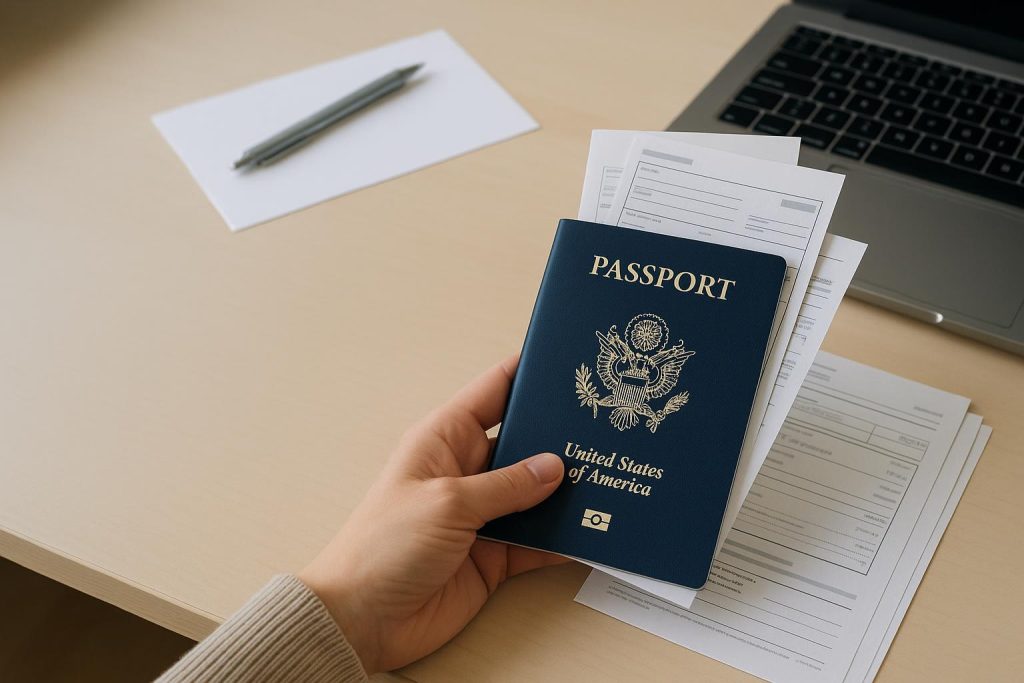
Special Deadlines for Americans Living Abroad: A Comprehensive Guide
American citizens living overseas often face layers of complexity when it comes to filing federal and state tax returns. Understanding crucial deadlines, taking advantage of available extensions, and remaining compliant is a central part of managing your US tax obligations. Whether you are an expat who has lived abroad for many years or you recently relocated outside the United States, this comprehensive guide will walk you through special filing deadlines and key considerations. We will explore automatic extensions, additional extensions you can request, and related requirements such as the Report of Foreign Bank and Financial Accounts (FBAR) and the Foreign Account Tax Compliance Act (FATCA). Our goal is to help relieve stress and provide clear, timely advice so you feel supported every step of the way.
Why Americans Living Abroad Have Different Filing Considerations
Moving abroad or maintaining a permanent residence outside the US might not release you from US tax filing responsibilities. As a US citizen or green card holder, you are subject to taxation on worldwide income. Though the basic idea of "file by April 15" applies to most taxpayers, there are special provisions that expatriates or those who meet certain requirements can leverage. These provisions sometimes affect deadlines, payment schedules, and the forms you must submit.
There are three core reasons American expats should pay close attention to special deadlines:
- Automatic two-month extension: Many US citizens living abroad automatically receive a two-month extension to June 15.
- Additional extension options: You may request an extension until October 15 with Form 4868.
- State-specific guidelines: Some states have separate rules that may not align with federal extensions, adding extra layers of complexity.
Staying aware of these nuances helps keep your filing on track and avoids late penalties or fees. It is particularly important for those with foreign financial accounts, multiple income streams, or cross-border tax obligations.
The Standard April 15 Deadline
For taxpayers residing in the United States, the standard federal tax deadline is April 15 in most years. Although this date may shift slightly if it falls on a weekend or if a federal holiday influences the timing, April 15 is the typical benchmark. If you are living abroad, you are technically held to this same deadline, but the Internal Revenue Service (IRS) grants certain automatic provisions so you can manage more complex reporting tasks.
One thing to keep in mind is that penalties and interest on any taxes owed begin accruing after April 15, even if you have an automatic extension until June 15. This is an important distinction because an extension to file is not the same as an extension to pay. To minimize interest charges, many expats prefer to estimate what they owe and submit that amount to the IRS by April 15.
Automatic Two-Month Extension (June 15)
When you meet specific requirements, the IRS automatically grants US taxpayers living abroad an extra two months, extending the filing deadline to June 15. These requirements usually include either having a main place of business outside the United States or physically residing outside the US for a certain number of days. You do not necessarily need to file special paperwork to claim this extension (it is often applied automatically), but it is best practice to include a statement with your return, explaining that you qualify for the automatic extension.
The period from April 15 to June 15 often provides a vital "breathing room" window for expats who have to gather multiple foreign income reports or coordinate with overseas financial institutions. However, remember that while the extended filing date protects against late-filing penalties, interest accrues on any unpaid tax as of April 15. Paying taxes in advance or submitting an estimated amount could help minimize the interest you owe.
Additional Extension to October 15
For those who cannot finalize their returns by June 15, requesting an extension to October 15 is the next step. This extra extension is not automatic; you must file Form 4868 by June 15 to request it. This extension can be a lifesaver if you have complicated expat tax circumstances, such as:
- Coordinating multiple foreign bank accounts or managing foreign investment income
- Waiting for statements or other documentation from overseas financial institutions
- Navigating multi-country obligations, such as Canada-US cross-border filings
The October 15 extension is designed to remove panic around preparing an accurate filing, but it does not lift the responsibility to pay taxes owed on time. As with the automatic June 15 extension, the clock for interest begins ticking on April 15. If you suspect you will owe taxes, it is wise to submit estimated payments by this date.
Filing FBAR and FATCA Documents
Living outside the United States often means you may have foreign accounts that exceed certain thresholds. Two major requirements often arise: the FBAR (Report of Foreign Bank and Financial Accounts) and various disclosure forms under FATCA (Foreign Account Tax Compliance Act). Here is what to keep in mind:
- FBAR (FinCEN Form 114): If you have one or more foreign financial accounts with an aggregate balance exceeding $10,000 at any point during the calendar year, you must file an FBAR. The standard deadline for this filing is April 15, but an automatic extension to October 15 applies for FBAR submissions, so no separate request is necessary. Late penalties for missing the FBAR deadline can be significant, so keep this requirement on your radar.
- FATCA Reporting (Form 8938): Under FATCA, if your foreign assets exceed certain thresholds, you may need to file Form 8938 along with your federal tax return. The thresholds vary depending on your marital status and whether you live within or outside the United States. For Americans living abroad, the thresholds are generally higher than for those living within the US, but it is crucial to verify your status.
Because the timing of FBAR and FATCA documents may align differently than your federal tax return, it is helpful to track each deadline carefully. Failure to properly file can introduce hefty penalties, so consider working with an experienced tax professional who understands cross-border tax obligations and can help you stay compliant.
State Tax Obligations for Americans Living Abroad
Many people do not realize that, although they have moved outside the US, they might still be responsible for paying or filing state tax returns. This depends on the last state you resided in and whether that state considers you a resident for tax purposes. Some states, such as California, have fairly strict rules about residency status, whereas others are more lenient.
Certain states will follow federal filing deadlines and automatically adopt the federal extensions. Others have unique procedures, deadlines, or forms. Common scenarios include:
- Still maintaining ties to the state: If you own property, earn rental income, or maintain any financial presence in the state, you may continue to have state tax obligations.
- State residency upon departing the US: If you did not formally change residency before leaving, your home state may still consider you liable for state taxes.
- Varying extension rules: Some states follow the automatic two-month extension, while others require separate forms or do not provide this courtesy at all.
With so much variance, it is worthwhile to familiarize yourself with the specific rules of your former state of residence—or work with tax advisors who can determine your status. Staying vigilant about state requirements will help you avoid unexpected deadlines and keep your tax compliance on track.
When to Seek Professional Support
Handling your tax return can feel manageable when your income sources are simple and you are aware of basic filing obligations. However, for many Americans living abroad, the situation becomes complicated quickly due to multiple factors like foreign earned income, self-employment, rental properties, investments, or business operations across borders. Here are some indicators it might be time to seek support:
- You have complex income: If you earn money from numerous sources, including freelancing, remote work, or international business operations, accurate filing becomes proportionally harder.
- You are worried about missing deadlines: Extensions may lessen immediate stress, but complicated deadlines, especially for FBAR or FATCA, can lead to penalties if overlooked.
- You are unsure about state obligations: Determining non-residency status or partial-year residency can be difficult, especially if states have unique tax rules.
- You need integrated tax services: Cross-border tax compliance may require a professional who understands how Canadian laws interact with US obligations if, for instance, you reside in Canada as a US citizen.
Professional guidance offers clarity and helps ensure nothing falls through the cracks. The risk of potential penalties—especially for failing to file foreign account disclosures—often justifies getting personalized help. An experienced tax professional can streamline the process, reduce confusion, and give you more confidence in your US tax filing.
How to File for an Extension
If you know you will need additional time beyond April 15 (or June 15 for qualified expats) to finalize your federal tax return, here is a quick overview of filing for an October 15 extension:
- Confirm eligibility: Check that you qualify for the automatic two-month extension if you are living abroad. If you do, your immediate due date is June 15.
- Estimate your tax liability: Ensure you have a fairly accurate estimate of the taxes you owe. Keep in mind that interest accumulates if you underpay, so consider paying at least this estimated amount prior to April 15 to reduce extra charges.
- Submit Form 4868: By June 15, file Form 4868 (Application for Automatic Extension of Time to File US Individual Income Tax Return) electronically or by mail. This extension typically grants you extra time until October 15 to file your paperwork.
- Retain confirmation: Always keep a copy of your extension request, as well as any payment receipts, for your records. It is helpful in case you need to verify your request later.
Remember, requesting an extension does not absolve you from making a payment if you are reasonably expecting to owe taxes. The earlier you can determine a rough estimate, the better prepared you will be to avoid accumulating interest.
Other Filing Requirements and Potential Cross-Border Obligations
Americans living abroad might also need to satisfy various cross-border tax obligations if you live or conduct business in countries like Canada. Navigating foreign tax credits, provincial obligations, and the interplay between the US and Canadian systems can be intricate. Being aware of deadlines for both countries is paramount.
Consider these scenarios:
- Dual citizenship or permanent residency: If you are a dual citizen of the US and another country, you may be required to file returns in both countries. Though tax treaties and credits often prevent double taxation, you must still file timely in both places.
- Cross-border business tax: For US citizens who operate cross-border businesses, it is critical to align corporate tax filings and personal filings in each relevant jurisdiction. Slight differences in deadlines or documentation can increase complexity.
Staying organized with spreadsheets, automatic reminders, or dedicated software can help you keep track of each requirement. Each oversight could lead to penalties or additional interest over time. For many, an experienced tax professional provides peace of mind and helps streamline compliance, particularly when it involves multiple countries.
How to Reduce Stress and Avoid Penalties
Meeting your obligations as a US expat can feel stressful, but there are simple strategies you can adopt to create a more stress-free process and ensure you are helping yourself stay compliant:
- Start early: Do not wait until a few weeks before your due date. Gathering foreign bank statements or other relevant documents can take time.
- Create a checklist: Make a personal or digital list tracking every form or filing you need to complete, from your federal return to the FBAR, FATCA disclosures, and any state returns.
- Stay informed: Keep up with changes in US tax laws or state residency rules. Minor adjustments in thresholds or deadlines can make a big difference in your planning.
- Seek personalized guidance: If you have trouble understanding what qualifies you for the automatic extension or you are unsure how to handle foreign income, an experienced tax professional can deliver clarity and practical solutions.
Many find it helpful to organize their information well before the April 15 standard filing date, even if they intend to use any of the available extensions. This proactive approach reduces last-minute panic and ensures your submission is accurate.
Final Thoughts on Special Deadlines
Staying on top of multiple filing deadlines, interest accrual rules, and extra documentation can seem daunting. However, Americans living abroad have useful mechanisms at their disposal—automatic deadline extensions, further filing extensions, and ongoing opportunities to work with integrated tax services—to make the process less overwhelming. As soon as you are aware you will be living outside the United States for a significant period, start tracking your obligations to limit confusion. If you are juggling various filing responsibilities or need bookkeeping support to keep your finances organized, remember that you do not have to tackle these challenges alone.
Wherever you reside, staying proactive and informed is the best way to protect yourself from penalties and additional interest. If you need more direct input or have specific questions about filing deadlines or cross-border tax strategies, feel free to reach out to an experienced tax professional with knowledge of overseas filing and US tax compliance. By leveraging the extensions available and developing an organized approach to your returns, you can gain clarity. If you would like further support, you can find more resources and learn about our services at Optimus Tax Inc. We also encourage you to get in touch when you are ready for personalized guidance. Whether your situation involves multiple countries, state obligations, or foreign asset reporting, the key is to remain ahead of each deadline and safeguard your financial well-being.